
November is American Diabetes Month, and it’s a good time to ask a question that’s easy to put off: When was the last time I had my blood sugar checked? Prediabetes and type 2 diabetes can develop without noticeable symptoms. A conversation with your primary care provider can help you understand your risk and find out whether it’s time for a screening.
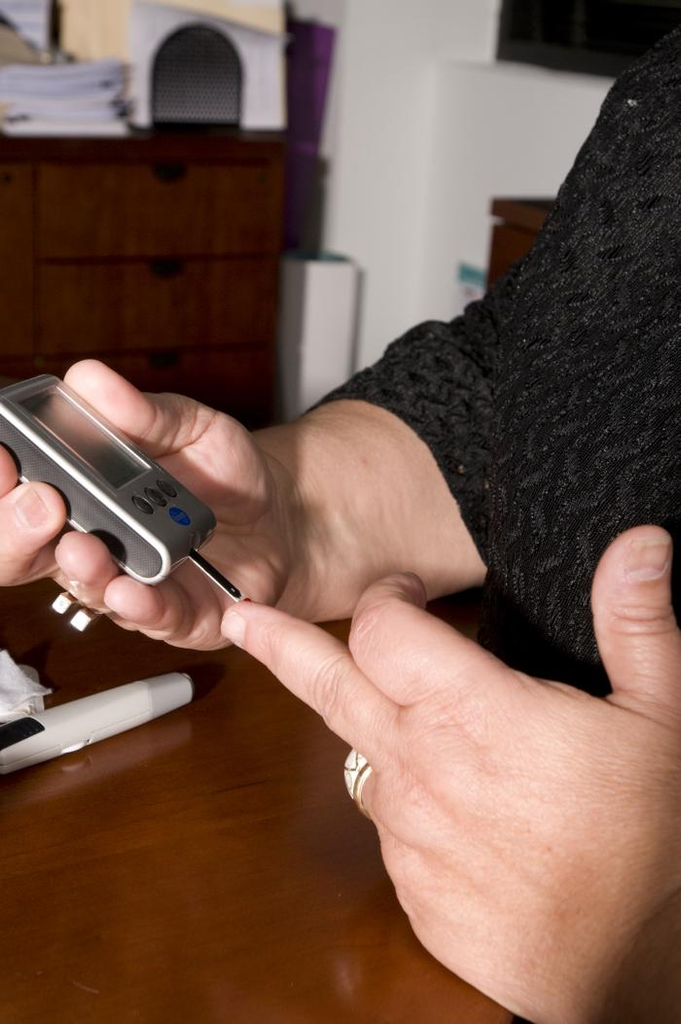
Photo by Amanda Mills, courtesy of the CDC Public Health Image Library.
Know your risk and watch for changes
Prediabetes means your blood sugar is higher than normal but below the range for type 2 diabetes. Your risk for type 2 diabetes may be higher if you’re 45 or older, have a parent or sibling with type 2 diabetes, or had diabetes during pregnancy.
When symptoms do appear, they can include feeling thirstier than usual, urinating more often, feeling unusually tired, or having blurry vision. If you notice these changes, contact your healthcare provider. Your provider may recommend an A1C test, a blood test that estimates your average blood sugar over the past three months.
What about type 1 diabetes?
Type 1 diabetes develops when the immune system attacks the cells in the pancreas that make insulin. Insulin helps move sugar from the blood into cells so the body can use it for energy. Type 1 diabetes can develop at any age, and people living with it need insulin every day.
Symptoms can come on quickly and may include unusual thirst, frequent urination, and weight loss without trying. If you notice these symptoms in yourself or your child, seek medical care promptly.
Start with a habit that fits your day
If you have prediabetes, regular physical activity and changes to how you eat can help prevent or delay type 2 diabetes. Start with something that feels doable, like taking a short walk after dinner or adding a vegetable to a meal you already enjoy. One way to plan a meal is to fill half your plate with nonstarchy vegetables, a quarter with lean protein, and a quarter with a carbohydrate food such as rice or sweet potato.

Photo by James Gathany, courtesy of the CDC Public Health Image Library.
Bring your questions to your next visit
If you’re already living with diabetes, tell your care team what’s going well and what’s been harder lately. That might be fitting blood sugar checks into your workday, planning meals for the whole family, or understanding what your latest A1C result means for you.
Have questions about diabetes screening or managing your blood sugar? Call Little Colorado Physician’s Office at 928-289-3396 to schedule a visit at 200 E. Lee St. in Winslow.